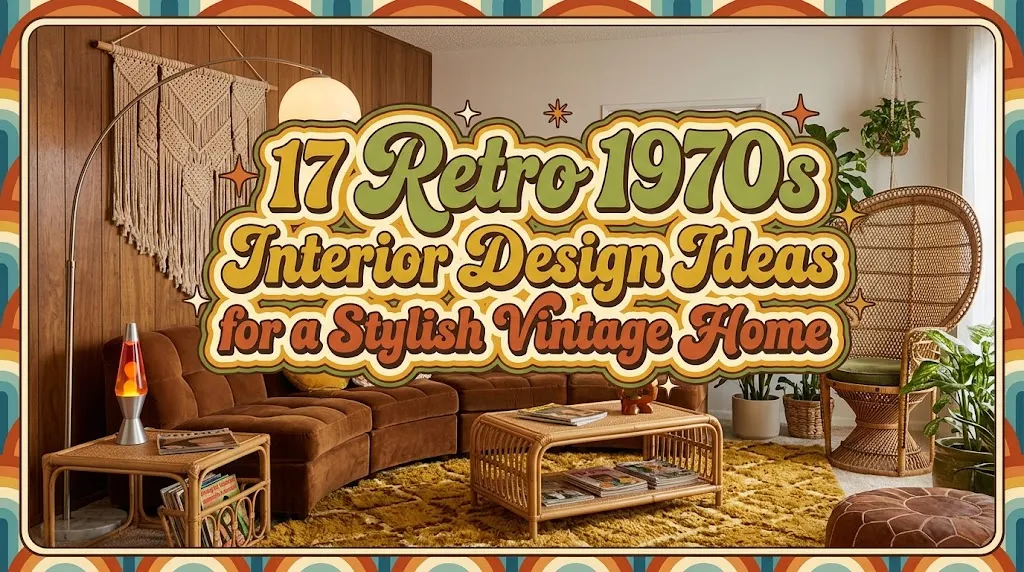
17 Retro 1970s Interior Design Ideas for a Stylish Vintage Home
The 1970s design era is experiencing a major renaissance, and it is easy to understand why. Moving away from stark minimalism and cold neutrals, seventies style celebrates warmth, comfort, and expressive personality. Today’s approach to the decade does not mean recreating a time capsule or a movie set. Instead, it is about blending the rich textures, earthy palettes, and sculptural silhouettes of the era into a fresh, liveable contemporary home. Whether you want to introduce a subtle nod with a single statement lamp or fully embrace conversation-starting seating and bold patterns, these seventeen design ideas offer a blueprint for a stylish vintage-inspired space.
1. Ground the Room in an Earthy 1970s Color Palette
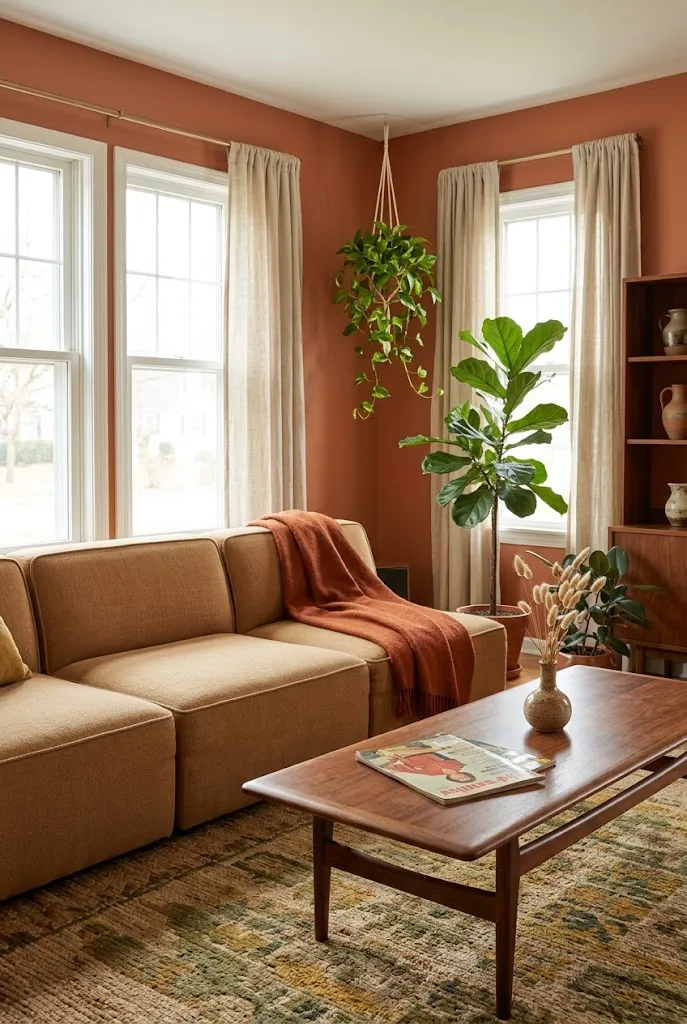
The foundation of any successful 1970s-inspired interior begins with color. Swap out stark whites and cool grays for a rich, grounding palette drawn directly from nature. Think of hues like burnt terracotta, mustard yellow, avocado green, rust, and deep chocolate brown. These tones instantly absorb light and create a cozy, cocooning atmosphere that defines the decade.
- Choose three core colors: one dominant neutral (like warm camel or soft beige) and two accent shades (like rust and olive).
- Incorporate these shades through larger textiles before committing to painted walls.
- Balance deep, heavy tones with natural wood finishes and soft lighting to keep the space feeling open.
2. Embrace Low-Profile Lounge Seating

Seating in the 1970s was designed for comfort, relaxation, and gathering. Low-to-the-ground sofas, modular sectionals, and deep armchairs encourage a relaxed posture that contrasts sharply with formal, upright traditional furniture. This silhouette makes rooms feel more expansive by keeping sightlines open across the floor plan.
Common Mistake: Pairing low-profile seating with standard-height modern furniture, which can make surrounding pieces look disjointed.
Better Approach: Keep surrounding tables, shelves, and accent pieces similarly low-slung to maintain a cohesive horizontal visual flow.
3. Add Architectural Warmth with Wood Paneling
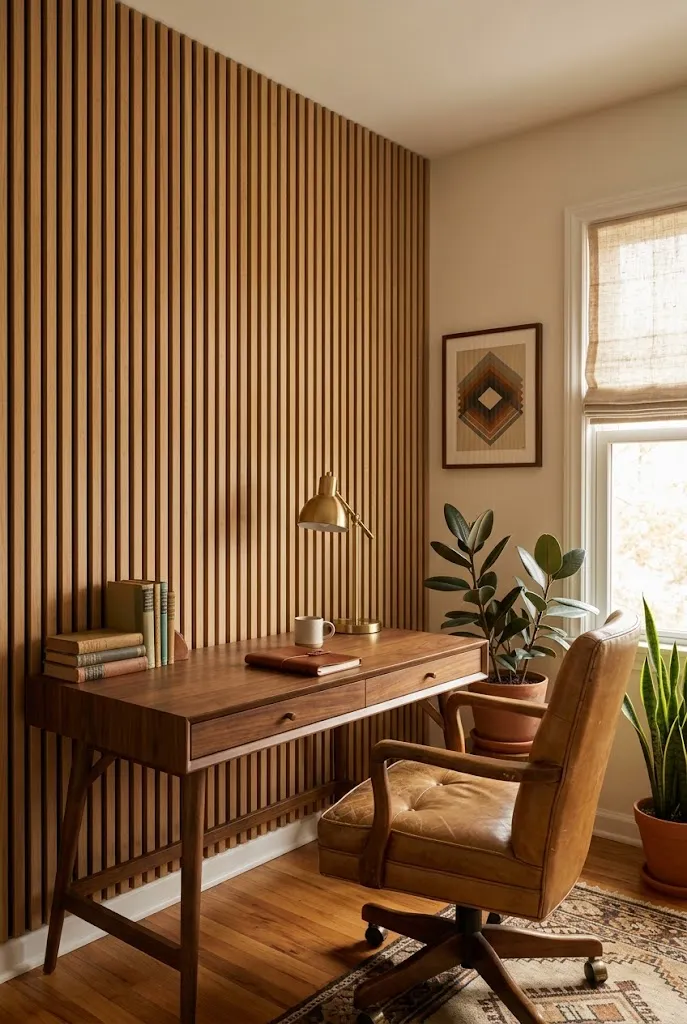
Wood paneling is one of the most recognizable signatures of 1970s architecture. While dark, floor-to-ceiling knotty pine can sometimes feel overwhelming, modern interpretations use vertical slats, warm white oak, or lighter walnut tones to add tactile depth and acoustic warmth to a single feature wall.
- Best For: Living rooms, dens, or home offices needing architectural character.
- Investment: Moderate to premium, depending on whether you choose solid wood slats or applied veneer panels.
- Visual Effect: Creates linear rhythm and rich texture that drywall alone cannot achieve.
4. Layer Bold Geometric and Abstract Patterns

The 1970s embraced fearless pattern mixing, from oversized abstract shapes to repeating geometric motifs. To keep this look sophisticated rather than chaotic, anchor bold patterns with solid-colored textiles and natural wood surfaces that give the eye a place to rest.
Quick Tip: Stick to a cohesive color family when mixing patterns—such as combining rust, cream, and brown prints—so the different textiles feel harmonious rather than competing.
5. Introduce Deep Textures with Shag and High-Pile Rugs

Underfoot texture played a massive role in creating the tactile interior landscape of the 1970s. High-pile and plush shag rugs instantly soften hard flooring, add sound insulation, and invite barefoot lounging. Look for neutral wool shags or patterned vintage styles with subtle color variation.
6. Elevate Upholstery with Velvet and Corduroy
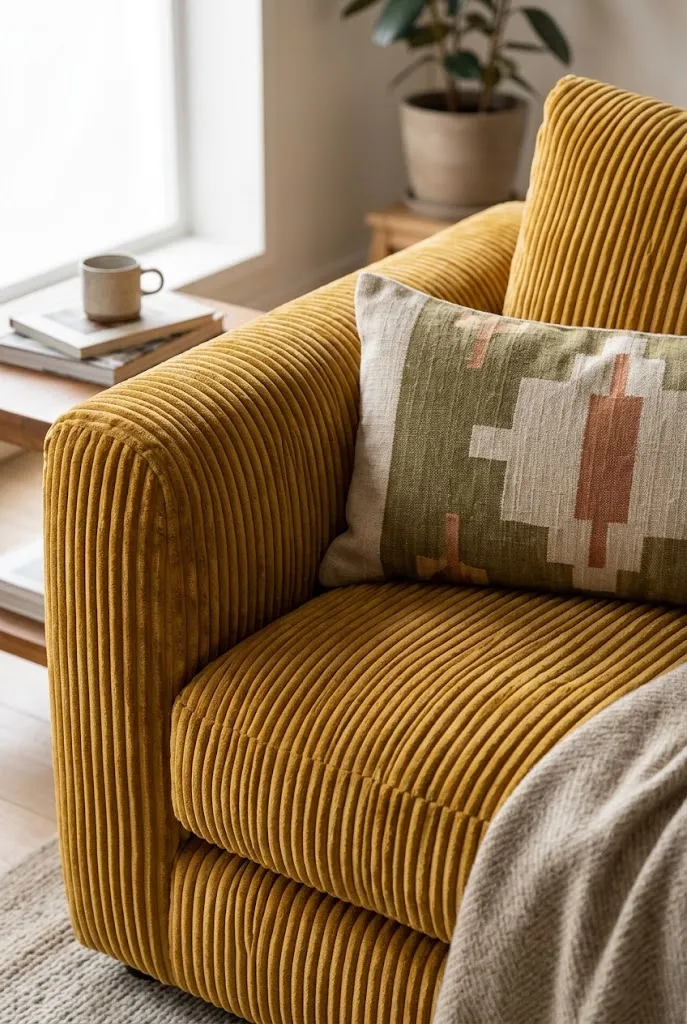
Fabric choice is critical when capturing the authentic feel of the seventies. Heavyweight, tactile textiles like crushed velvet, wide-wale corduroy, and textured bouclé add instant depth and luxury to seating, ottomans, and throw pillows.
- Corduroy: Brings a casual, tailored texture that works wonderfully on accent chairs or floor cushions.
- Velvet: Catches the light beautifully, adding rich jewel tones or earthy warmth depending on the colorway.
7. Style with Statement Rattan and Wicker Pieces

Natural materials like rattan, cane, and wicker were staples of 1970s bohemian and casual living spaces. Their organic textures and intricate weaves prevent heavy retro spaces from feeling too dark or enclosed. A peacock chair, a rattan shelving unit, or a cane-back lounge chair brings an effortless, breezy warmth to the room.
8. Reflect Light with Sunburst Mirrors and Acrylic Accents

While the seventies favored heavy textures, they also embraced playful, reflective materials that added a touch of futuristic glamour. Brass sunburst mirrors, smoked glass surfaces, and clear acrylic furniture pieces help bounce light around the room and keep heavy spaces feeling balanced.
9. Create Maximalist Indoor Plant Corners
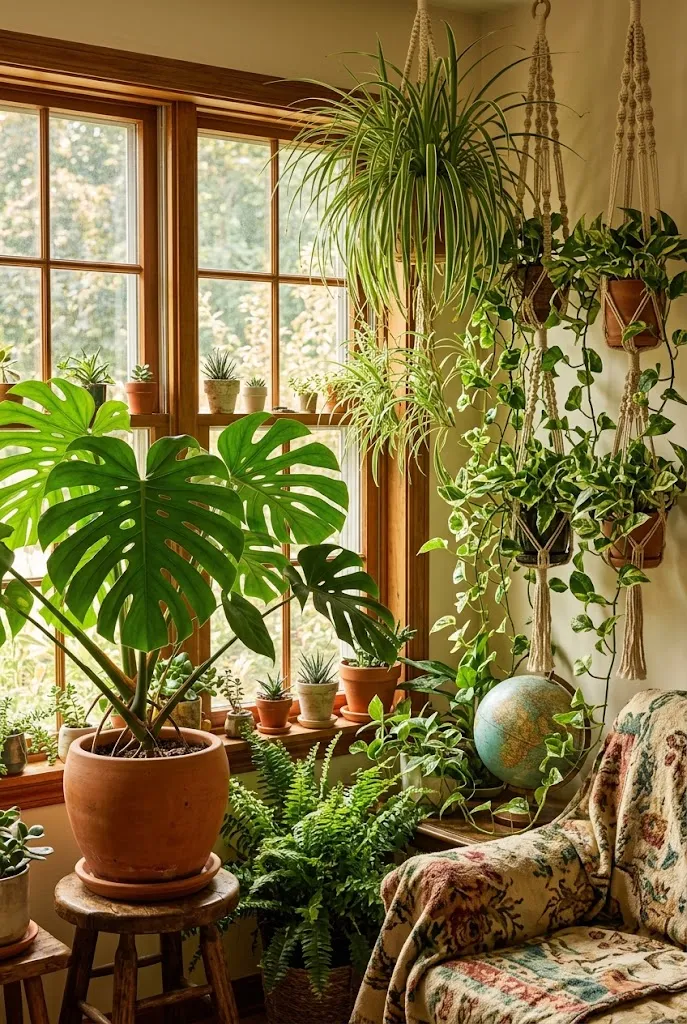
No 1970s home was complete without an abundance of greenery. Hanging macramé plant holders, trailing pothos, towering spider plants, and large monsteras turned living spaces into indoor jungles. This organic element softens sharp furniture lines and introduces vibrant life into the color palette.
| Plant Type | Best Placement | Visual Advantage |
| Trailing Pothos | Hanging macramé or high shelves | Adds vertical movement and cascading lines |
| Monstera Deliciosa | Room corners or empty wall spaces | Provides dramatic, sculptural leaf shapes |
| Spider Plant | Plant stands or windowsills | Offers bright, grassy texture and easy care |
10. Illuminate with Sculptural Mushroom Lamps

Lighting in the 1970s was treated as functional art. Iconic silhouettes like the Murano glass mushroom lamp, globe floor lamps, and swing-arm wall sconces cast a warm, diffused glow that transforms the mood of a room the moment the sun goes down.
- Best For: Bedside tables, sideboards, or low bookshelves.
- Investment: Accessible to mid-range, with many vintage-inspired reproductions available.
- Visual Effect: Adds an organic, sculptural focal point even when turned off.
11. Incorporate Groovy Curved Furniture and Kidney-Shaped Tables
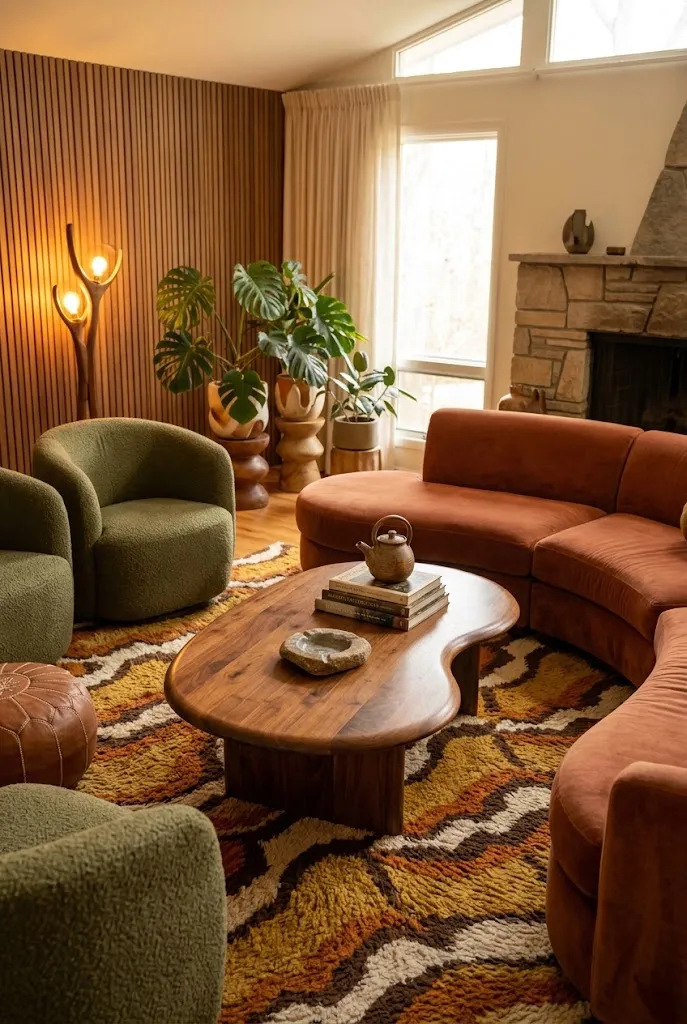
Harsh right angles took a backseat in the 1970s to organic curves and fluid lines. Kidney-shaped coffee tables, curved sectionals, and round poufs create an inviting flow through a room, making social spaces feel conversational and intimate.
12. Experiment with Warm-Toned Tiled Surfaces
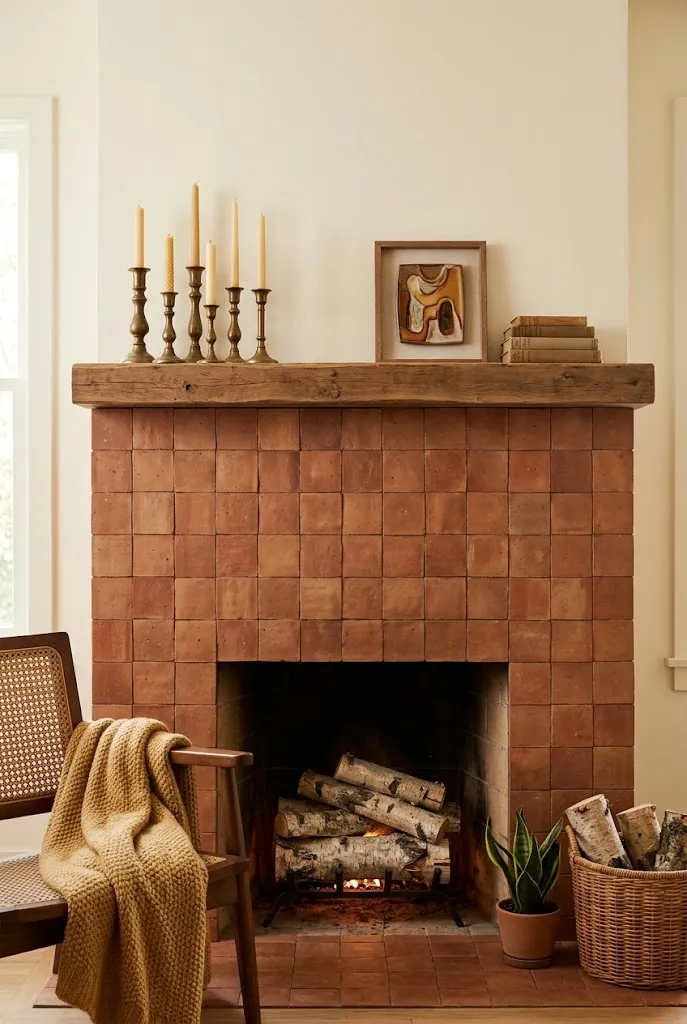
Earth-toned ceramic tiles—ranging from rich terracotta to glazed olive and warm amber—were frequently used for fireplace surrounds, kitchen backsplashes, and even low coffee table bases. Bringing tile into unexpected interior zones adds wonderful tactile contrast against soft textiles and wood.
13. Design a Nostalgic Bar Cart or Entertainment Console
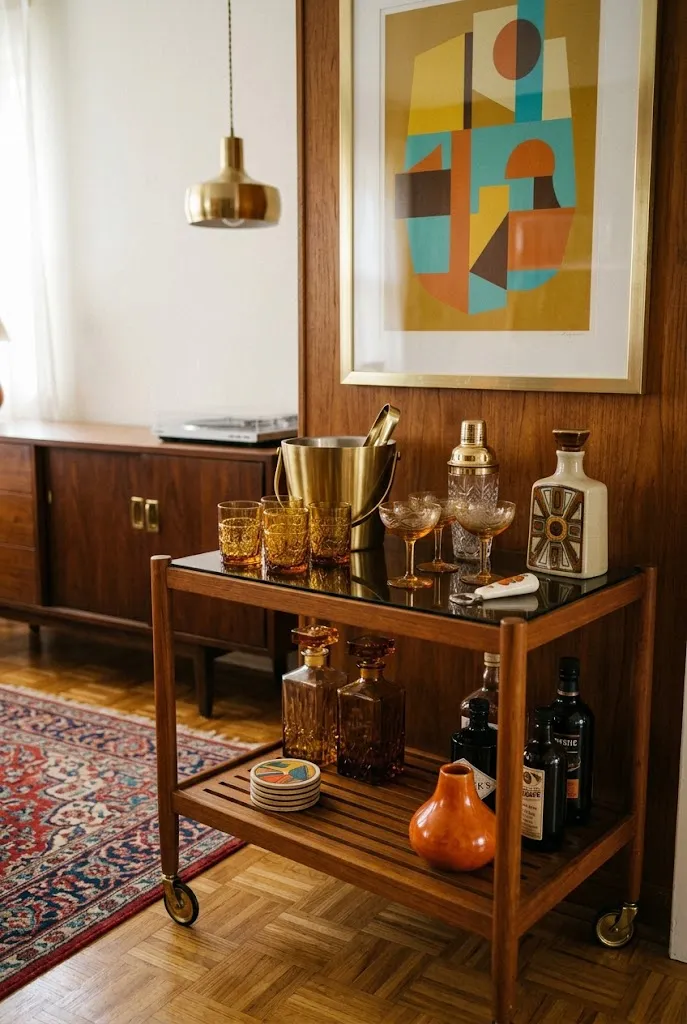
The era of entertaining at home gave rise to dedicated cocktail stations and sleek media credenzas. A polished wood or smoked glass bar cart styled with vintage glassware, decanters, and retro ceramics adds a functional and sophisticated focal point to a dining or living area.
14. Layer Plaid, Paisley, and Retro Floral Patterns
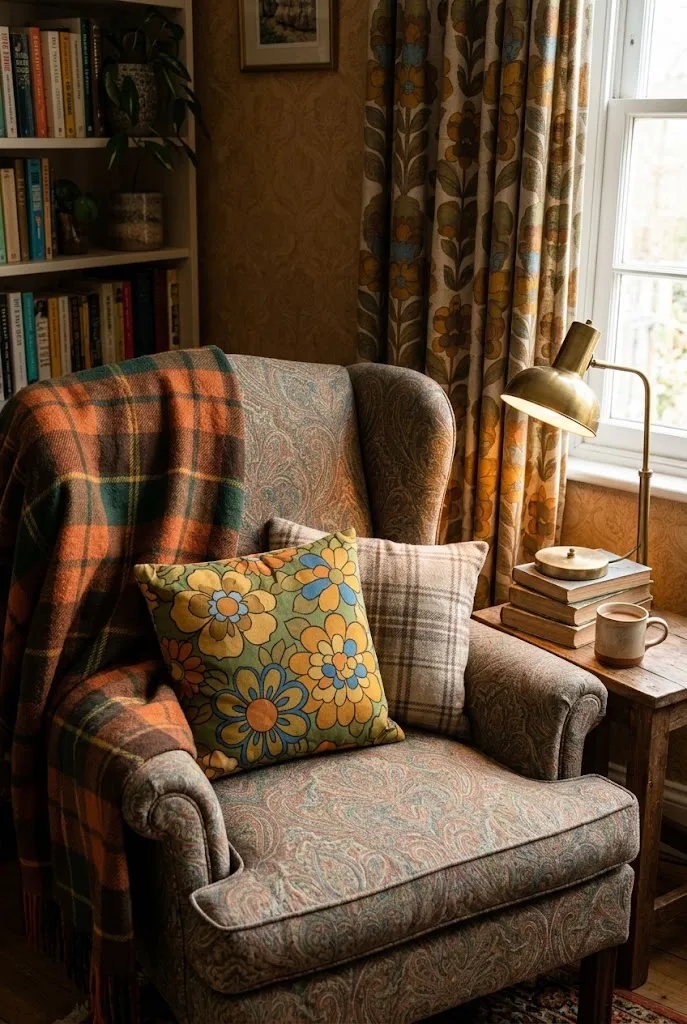
While minimalism relies on restraint, seventies style thrives on textile layering. Mixing subtle plaids, paisley prints, and stylized retro florals across drapery, throw pillows, and upholstery creates a rich, collected-over-time aesthetic that feels deeply personal and lived-in.
15. Accent with Smoked Glass and Polished Chrome
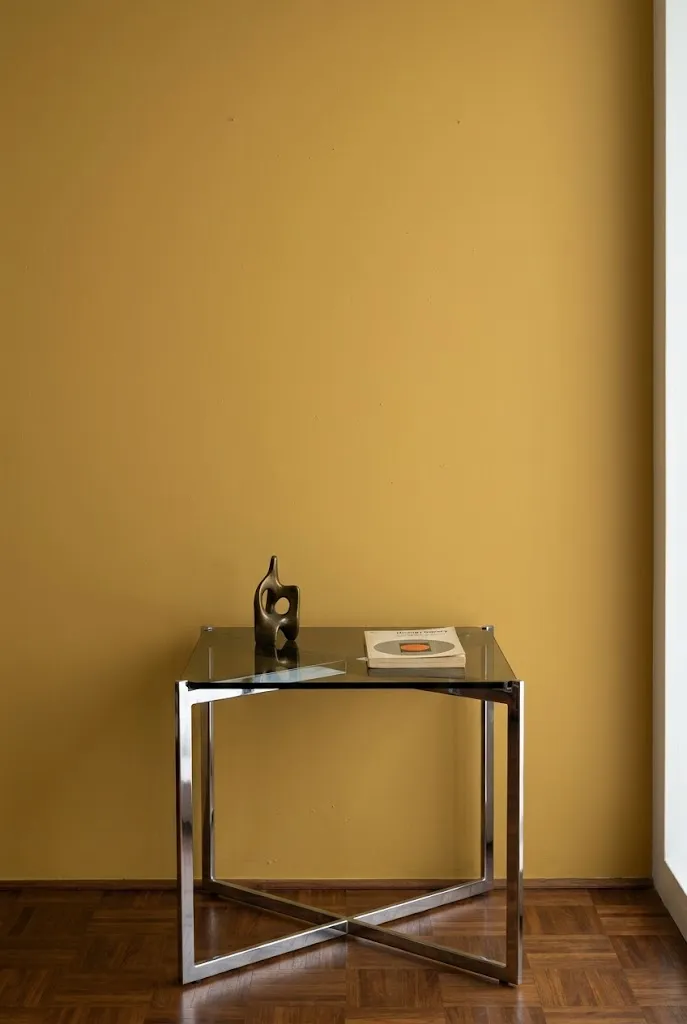
To balance heavy woods and plush fabrics, the 1970s heavily utilized sleek industrial elements like polished chrome and smoked or amber-tinted glass. These materials catch light delicately and introduce a subtle modern edge to vintage-leaning rooms.
16. Style Fireplaces with Natural Stone and Brick

Exposed brick and natural stacked stone were hallmark architectural elements of 1970s homes. If your home has a brick fireplace, avoid painting it over with stark white; instead, let the natural variations in reddish-brown clay anchor the room’s warm color palette.
17. Curate a Gallery Wall with Vintage Vinyl and Art Prints
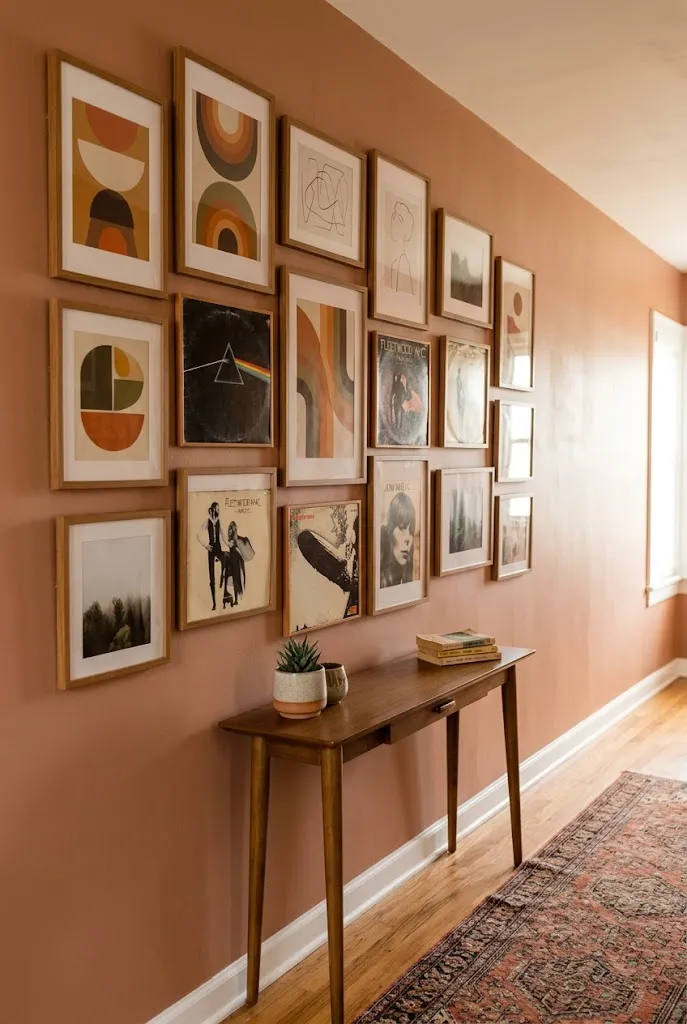
Wall decor in the 1970s leaned toward oversized graphic posters, abstract line art, nature photography, and framed vintage album covers. Grouping these eclectic pieces together in simple wooden frames creates an expressive, high-impact gallery wall.